In short: You do not need special products to cook liver-friendly Korean food. You need a well-chosen pantry and the habit of reading labels. Keep doenjang, gochujang, gochugaru and a reduced-salt soy sauce, but compare sodium and sugar per 100 g between brands. Build flavour with dried anchovy and kelp stock, garlic, spring onion, vinegar and toasted sesame instead of extra salt. Stock mixed grains, barley tea, tofu, seaweed and frozen fish, and most weeknight Korean meals are covered.
Last reviewed: November 2026
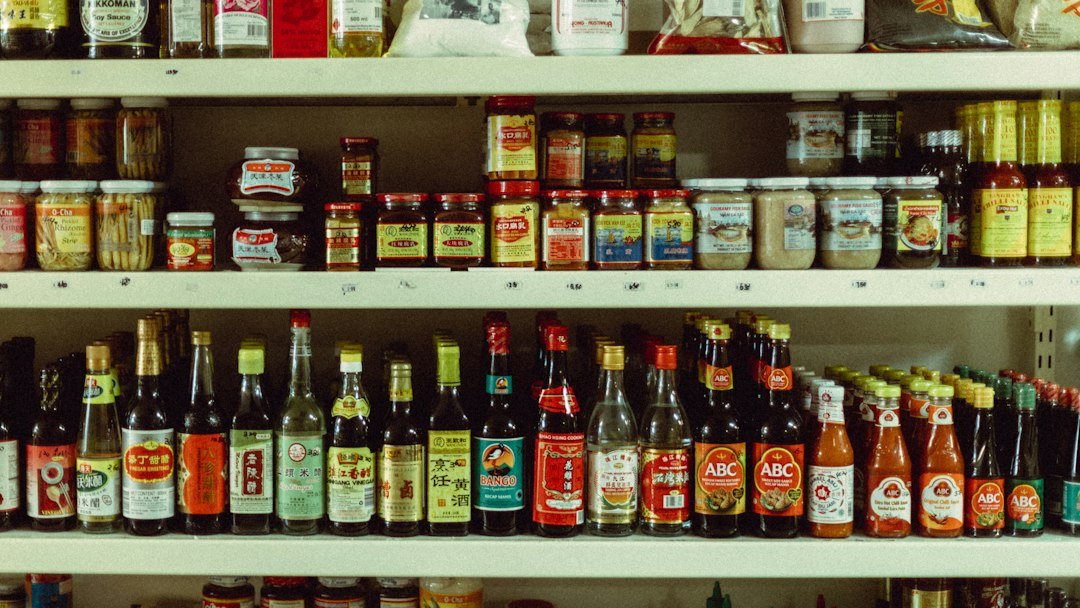
Where to shop in Australia
- Korean and Asian grocers. The widest range is in suburbs with large Korean communities, such as Strathfield, Eastwood and Campsie in Sydney, Box Hill in Melbourne and Sunnybank in Brisbane. Many also deliver online.
- Major supermarkets. The Asian aisle at most large supermarkets now carries the basics: gochujang, kimchi, firm tofu, sesame oil, nori and often frozen dumplings. The range varies a lot between stores.
- Fresh produce. Spring onions, garlic, ginger, zucchini, cabbage, daikon, spinach and bean sprouts are easy to find anywhere. Korean radish (mu), perilla leaves and Korean chillies are mostly at Asian grocers.
How to read an Australian label
Every packaged food in Australia has a Nutrition Information Panel with a per 100 g (or per 100 mL) column. That column is the one to compare, because serving sizes differ between brands.
Two salt claims are worth understanding, because they are defined by the Food Standards Code:
- ‘Low salt’ or ‘low sodium’ means no more than 120 mg sodium per 100 g. Very few Korean sauces or pastes can meet this.
- ‘Reduced salt’ or ‘light’ only means at least 25% less sodium than a comparable regular product. A reduced-salt soy sauce is still a high-sodium food; it is just less high.
One gram of salt contains about 400 mg of sodium, which helps when a recipe gives salt and a label gives sodium. For sugar, check the ‘sugars’ line and the ingredient list for corn syrup, rice syrup, oligosaccharide syrup (olligodang) and fruit concentrates.
The pantry list
Pastes and sauces (keep, but measure)
- Doenjang (soybean paste). The heart of jjigae and many namul. It is salty, but a spoonful carries a lot of flavour. Brands vary widely in sodium, so compare per 100 g.
- Gochujang (chilli paste). Most commercial gochujang lists syrup or sugar among the first ingredients. Compare the sugars line, and thin it with a little vinegar or water so a smaller amount covers more food.
- Soy sauce. Keep a reduced-salt soy sauce for everyday seasoning and dipping. Korean cooks often distinguish guk-ganjang (soup soy sauce, saltier and lighter in colour) from jin-ganjang (regular soy sauce); use guk-ganjang sparingly.
- Gochugaru (chilli flakes). Adds heat and colour with no salt or sugar. One of the most useful ingredients for low-salt Korean cooking.
- Rice vinegar and fresh citrus. Acidity makes food taste brighter and seasoned, which means you can use less salt.
Flavour builders (the chef’s secret to using less salt)
- Dried anchovies (myeolchi) and dried kelp (dasima). Simmered together for 15–20 minutes, they make the classic Korean stock with deep savoury flavour, so the soup needs far less doenjang or soy sauce.
- Dried shiitake mushrooms. Another natural source of savoury flavour for stocks and braises.
- Toasted sesame oil and perilla oil. A few drops at the end of cooking add aroma. They are fats, so measure with a teaspoon rather than pouring.
- Toasted sesame seeds, garlic, ginger and spring onion. Fresh aromatics make a dish taste finished without more salt.
Grains and dried goods
- Mixed grains (japgok). Ready-mixed bags of barley, brown rice, black rice and beans are sold at Korean grocers. Mixing them with white rice adds fibre.
- Roasted barley (bori) or roasted corn (oksusu) for tea. A sugar-free everyday drink. See Sugary Drinks and Fatty Liver.
- Dried seaweed (miyeok) and nori. Choose plain nori over seasoned snack seaweed, which is salted and oiled.
- Buckwheat noodles. Check the label: many contain more wheat flour than buckwheat.
Fridge and freezer
- Firm and soft tofu for jjigae, jorim and quick protein.
- Frozen fish such as mackerel (godeungeo). Buy plain rather than pre-salted when you can, or soak salted fish briefly before cooking.
- Kimchi. Part of the table, but salty. Serve it in a small dish rather than straight from the jar.
- Eggs and frozen vegetables for fast meals.
Products to buy less often
- Instant ramyeon, especially with the full seasoning packet.
- Seasoned snack seaweed and sweet rice crackers.
- Ready-made bulgogi and galbi marinades, which are usually high in sugar.
- Canned sikhye, sweet fruit-syrup teas and coffee mix.
- Processed meats such as Spam and sausages.
The bottom line
Liver-friendly Korean cooking starts in the shopping trolley. Keep the traditional pastes and sauces, compare brands by sodium and sugar per 100 g, and remember that ‘reduced salt’ is not the same as ‘low salt’. Lean on anchovy and kelp stock, chilli, vinegar and fresh aromatics for flavour, and keep grains, tofu, seaweed and fish on hand so the healthier choice is also the easy one.
This article is general information, not medical or dietary advice. If you have been told to follow a specific diet, check with your doctor or an Accredited Practising Dietitian. See our Medical Disclaimer and Editorial Policy.
Sources
- Food Standards Australia New Zealand. How much sodium should I eat?
- Food Standards Australia New Zealand. Sodium levels in a range of packaged and take-away foods.
- Australia New Zealand Food Standards Code. Schedule 4: Nutrition, health and related claims.