In short: Japgok-bap (mixed-grain rice) replaces part of the white rice in your bowl with whole grains and beans. It adds fibre, keeps you fuller and slows the rise in blood sugar compared with white rice alone. Start with a small proportion of grains, soak the harder ones, add a little extra water, and increase the grains gradually as your family gets used to the texture.
Last reviewed: November 2026
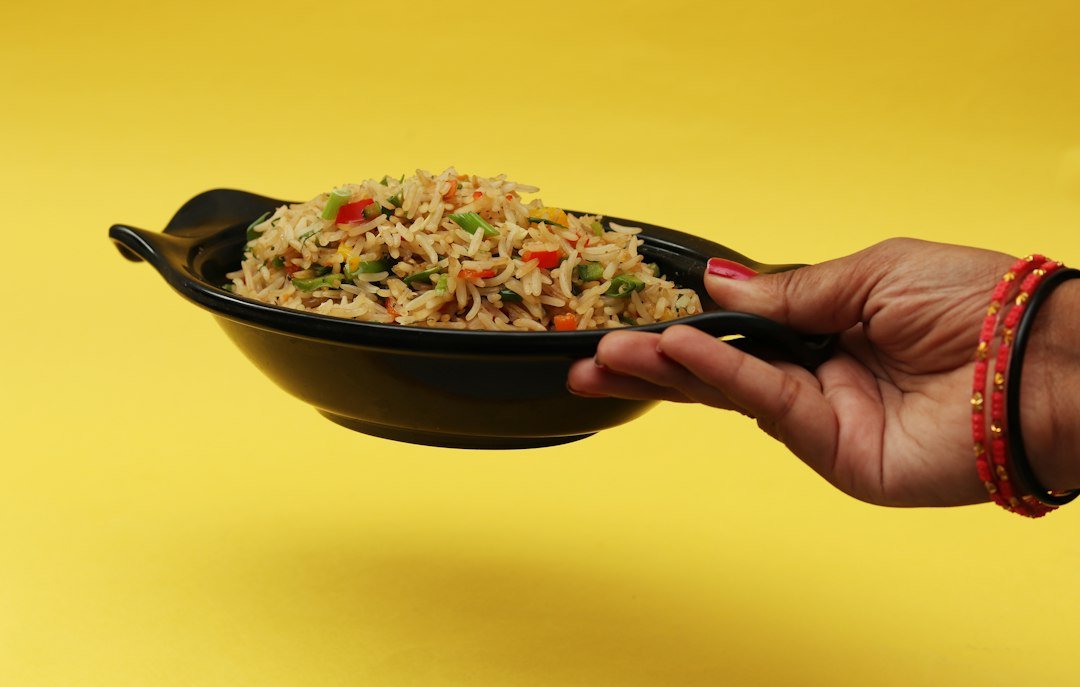
Why change the rice?
Rice is the one food that appears at almost every Korean meal, so small changes to it add up. White rice is mostly refined starch with little fibre. Whole grains such as barley, brown rice and black rice, and legumes such as black soybeans, keep more of their fibre and nutrients. Liver and diabetes guidelines consistently favour eating patterns built on whole grains, vegetables and legumes over refined starches, and the Mediterranean-style diet recommended for fatty liver is one example. See What Is MASLD?
Japgok-bap is not a new health trend. Mixed-grain rice has a long history in Korea, and bags of ready-mixed grains are sold at every Korean grocer.
The grains, and how each behaves
| Grain | Texture and flavour | Kitchen notes |
|---|---|---|
| Barley (bori, or pressed barley called apmaek) | Chewy, slightly nutty | Pressed barley cooks more easily with white rice than whole barley. A good first grain. |
| Brown rice (hyeonmi) | Firmer, nutty | Needs soaking or a longer cook. Germinated brown rice (balahyeonmi) is softer. |
| Black rice (heukmi) | Slightly sweet, sticky | A small handful turns the whole pot purple. Very little goes a long way. |
| Glutinous millet and sorghum (chajo, susu) | Small, soft or chewy grains | Common in commercial mixes. Rinse well. |
| Black soybeans (seoritae, seomoktae) | Firm, creamy when cooked | Need a longer soak, often overnight. |
| Red beans (pat) | Soft, earthy | Traditionally boiled briefly first and the first water discarded, because they cook more slowly than rice. |
Starting ratios
The most common reason people give up on japgok-bap is starting with too much grain, which makes the rice heavy and chewy. A gentler path:
- Weeks 1–2: about 1 part grains to 4 parts white rice.
- Weeks 3–4: about 1 part grains to 2 or 3 parts white rice.
- After that: half and half, or more grains if your household enjoys it.
These are starting points, not rules. Adjust to the grains you use and what your family will actually eat. Rice that gets eaten beats perfect rice that gets left in the cooker.
Soaking
- White rice and pressed barley: rinse until the water runs fairly clear; a 20–30 minute soak is optional.
- Brown rice, black rice, millet and sorghum: soak for at least 30 minutes, longer if you like a softer texture. Many people soak them in the morning for dinner.
- Dried beans: soak overnight in the fridge. Parboil red beans separately before adding them to the rice.
Soaking the grains together with the white rice works fine as long as the hardest grain gets enough time. Drain the soaking water before cooking.
Water and cooking
- Whole grains absorb more water than white rice. Start with a little more water than you would use for the same volume of white rice, then adjust next time.
- Most rice cookers sold in Korean and Asian shops have a multigrain (japgok) or brown rice setting that cooks longer and gives better results than the white rice setting.
- On the stove, cook covered on low heat, then let it rest off the heat, lid on, for 10 minutes so the grains finish steaming.
Batch cook and freeze
Mixed-grain rice freezes well. Portion it while still warm into individual containers or wrap, cool quickly, and freeze. Reheat in the microwave with a sprinkle of water. Having single portions ready also helps keep serving sizes in check.
Portion still matters
Mixed-grain rice is still a starchy food. Switching from white to mixed grains is a good change, but so is using a smaller bowl. A practical approach is to fill half the table with vegetable dishes, a quarter with protein such as tofu, fish or meat, and keep the rice to about a quarter.
Troubleshooting
- Too hard or chewy: soak longer, add a little more water, or use pressed barley and germinated brown rice instead of whole grains.
- Too sticky or mushy: rinse more thoroughly, use less water, or reduce glutinous grains in the mix.
- Family will not eat it: go back to a smaller proportion, and try mixing in black rice, which many people find sweeter and more appealing.
The bottom line
Japgok-bap is one of the easiest ways to make a Korean meal more fibre-rich without changing what is on the table. Start small, soak the harder grains, use the multigrain setting, and build up gradually.
This article is general cooking and health information, not medical or dietary advice. If you have diabetes, kidney disease or another condition that affects what you should eat, check with your doctor or an Accredited Practising Dietitian. See our Medical Disclaimer and Editorial Policy.
Sources
- European Association for the Study of the Liver, EASD, EASO. EASL–EASD–EASO Clinical Practice Guidelines on the management of MASLD. Journal of Hepatology. 2024.
- Rinella ME, et al. AASLD Practice Guidance on the clinical assessment and management of nonalcoholic fatty liver disease. Hepatology. 2023.