Verdict: not proven. Milk thistle (and its extract, silymarin) has been tested in people with alcohol-related liver disease, hepatitis B and C, and fatty liver. The results have been mixed or too limited to draw firm conclusions, and two well-designed US government-funded trials found no benefit. One small trial in fatty liver hinted at less scarring, but that has not been confirmed. Milk thistle is generally well tolerated, but it is not a substitute for the lifestyle changes and medical care that do have evidence behind them.
Last reviewed: November 2026
The claim
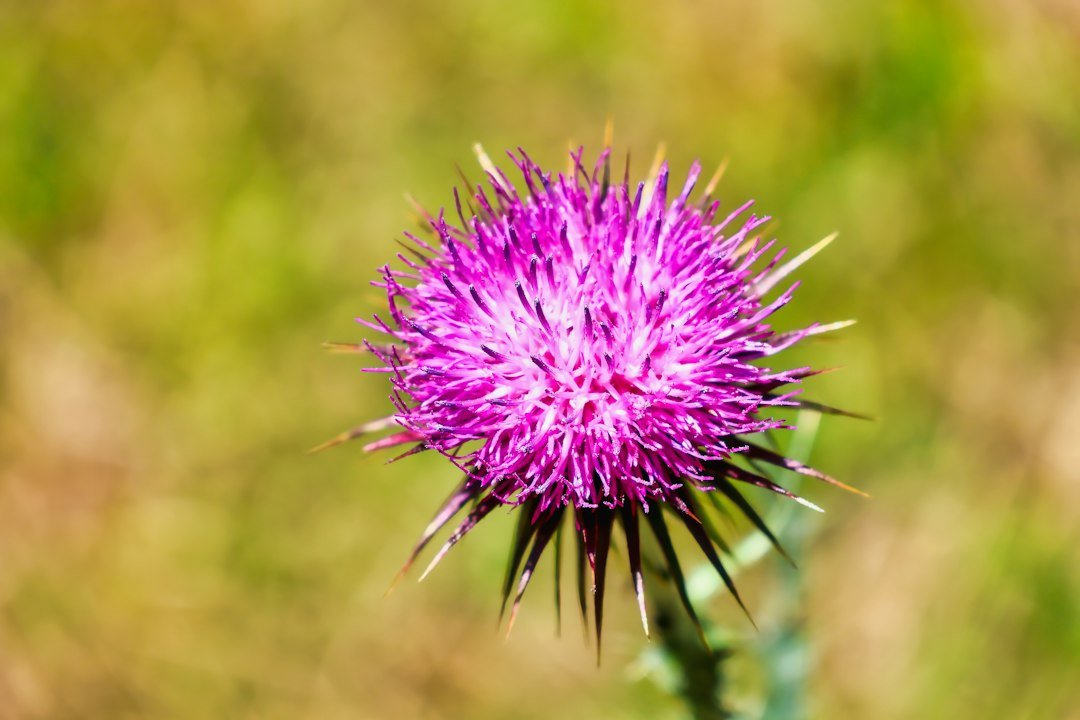
Walk into a pharmacy in Seoul or Sydney and you will find milk thistle near the front, usually labelled for ‘liver health’ or ‘liver detox’. It is one of the most familiar supplements among Korean adults, often bought as a gift for parents or taken by people who drink regularly. The idea behind it is that silymarin, a mix of plant compounds from the seeds of Silybum marianum, acts as an antioxidant and anti-inflammatory that protects liver cells.
Those effects show up in laboratory and animal studies. The question that matters is whether taking milk thistle changes anything for people.
What human trials found
Hepatitis C
A large randomised, placebo-controlled trial funded by the US National Institutes of Health tested two doses of silymarin in 154 people with chronic hepatitis C whose earlier treatment had failed. It was published in JAMA in 2012. Silymarin did not lower liver enzymes or virus levels any more than placebo.
Fatty liver and NASH
The results here are more interesting, but still inconclusive:
- Malaysia, 2017. In a double-blind trial of 99 adults with biopsy-proven NASH (the inflamed form of fatty liver, now called MASH), people took 700 mg of silymarin or placebo three times a day for 48 weeks. The main goal, a meaningful improvement in liver inflammation scores, was not met: 32.7% improved on silymarin versus 26.0% on placebo, a difference that could easily be chance. However, more people on silymarin showed a reduction in scarring on biopsy (22.4% versus 6.0%). The authors concluded that silymarin may reduce fibrosis but that this needed confirmation in a larger trial.
- United States, 2019. A second NIH-funded trial in people with NASH without cirrhosis did not show benefit from silymarin.
Meta-analyses pooling small studies have reported modest drops in liver enzymes such as ALT and AST. Lower enzymes on a blood test are not the same as a healthier liver, though, and most of the included trials were small and short.
The US National Center for Complementary and Integrative Health summarises the evidence like this: trial results for alcohol-related liver disease, hepatitis B and C, and fatty liver have been mixed or too limited to draw firm conclusions. None of the major fatty liver guidelines we reviewed recommends milk thistle as a treatment.
Why ‘approved’ does not mean ‘proven’
Supplement labels can give the impression that a product has passed the same tests as a medicine. It usually has not.
- In Australia, most milk thistle products are listed medicines, shown by an AUST L number on the pack. Listed medicines are checked for ingredient safety and manufacturing quality, but the Therapeutic Goods Administration does not evaluate whether they work before they go on sale. That is different from registered medicines (AUST R), which are assessed for efficacy.
- In Korea, milk thistle extract is sold as a health functional food, which allows a softer ‘may help liver health’ type of claim. That standard is well below what is required for a medicine that treats liver disease.
Product quality is a further issue. Laboratory testing of milk thistle supplements, cited by the NCCIH, has found products whose silymarin content differs from the label, and some contaminated with pesticides, microorganisms or mycotoxins (toxins produced by moulds).
Is it safe?
Milk thistle is generally well tolerated when taken by mouth. The most common side effects are bloating, nausea and gas. Be more cautious if:
- You have plant allergies. Milk thistle belongs to the same family as ragweed, chrysanthemum, marigold and daisy, and people allergic to those plants can react to it.
- You take regular medication. Herbs and medicines can interact. Tell your doctor or pharmacist about every supplement you take, especially if you have diabetes, as some studies suggest milk thistle may lower blood sugar.
- You are pregnant or breastfeeding. Little is known about safety.
- You have diagnosed liver disease. Discuss any supplement with your specialist first. Herbal and dietary supplements are a recognised cause of liver injury in general, so ‘natural’ is not a guarantee of safety for an already stressed liver.
What actually helps the liver
The interventions with strong evidence for fatty liver are less exciting than a capsule, but they work:
- Gradual weight loss of 5–10% of body weight if you are carrying extra weight.
- A Mediterranean-style diet: more vegetables, legumes, whole grains and fish, fewer sugary drinks and processed foods.
- Regular physical activity.
- Drinking less alcohol, or none.
- Good control of blood sugar, blood pressure and cholesterol, with medicines where needed.
The money spent on a year of liver supplements could buy a lot of vegetables, fish and tofu. See What Is MASLD? for what the guidelines recommend.
The bottom line
Milk thistle has plausible effects in the lab, one small trial suggesting less liver scarring, and two US government-funded trials showing no benefit. It is not proven to protect or heal the liver, and supplement quality varies. If you want to try it, talk to your doctor first, especially if you take other medicines or have liver disease, and do not let it replace the lifestyle changes that are proven to help.
This article is general information, not medical advice. We do not sell or receive payment for any supplement. See our Medical Disclaimer and Editorial Policy.
Sources
- National Center for Complementary and Integrative Health. Milk Thistle. Updated February 2025.
- Wah Kheong C, Nik Mustapha NR, Mahadeva S. A randomized trial of silymarin for the treatment of nonalcoholic steatohepatitis. Clinical Gastroenterology and Hepatology. 2017;15(12):1940–1949.
- Fried MW, et al. Effect of silymarin (milk thistle) on liver disease in patients with chronic hepatitis C unsuccessfully treated with interferon therapy. JAMA. 2012;308(3):274–282.
- Navarro VJ, et al. Silymarin in non-cirrhotics with non-alcoholic steatohepatitis: a randomized, double-blind, placebo controlled trial. PLoS ONE. 2019.